
Flight Deck Doctor
Aviation Medical Guidance for Pilots
In Canada, pilots must hold a valid medical certificate before exercising the privileges of their licence. The category of medical certificate required depends on the type of flying a pilot intends to conduct.
A Category 1 Medical Certificate is the medical standard required for professional pilots operating under Commercial Pilot Licences (CPL) and Airline Transport Pilot Licences (ATPL). It is the highest level of medical certification issued by Transport Canada and is intended to ensure that pilots who carry passengers or earn income through flying meet stringent medical standards.
Obtaining a Category 1 Medical involves a comprehensive assessment conducted by a Civil Aviation Medical Examiner (CAME). The examination includes physical assessments, vision and hearing testing, cardiovascular screening, laboratory testing, and a review of the applicant's medical history.
An initial Category 1 Medical examination commonly includes:
Most of these assessments are straightforward and similar to tests routinely performed in a physician's office.
The urine sample is typically collected during the medical appointment and sent for laboratory analysis. The purpose of the test is to identify evidence of conditions that could affect flight safety, such as:
Additional testing may be requested if abnormalities are detected.
Blood pressure, height, and weight measurements are obtained in the same manner as during a standard medical examination.
While there are no specific height or weight requirements for a Category 1 Medical, obesity-related conditions or other associated health concerns may require further evaluation.
The vision examination assesses whether the applicant meets Transport Canada's visual standards.
Distance vision is typically tested using a chart displayed at a specified distance. The examiner will ask the applicant to read progressively smaller lines of letters while testing each eye individually and then both eyes together.
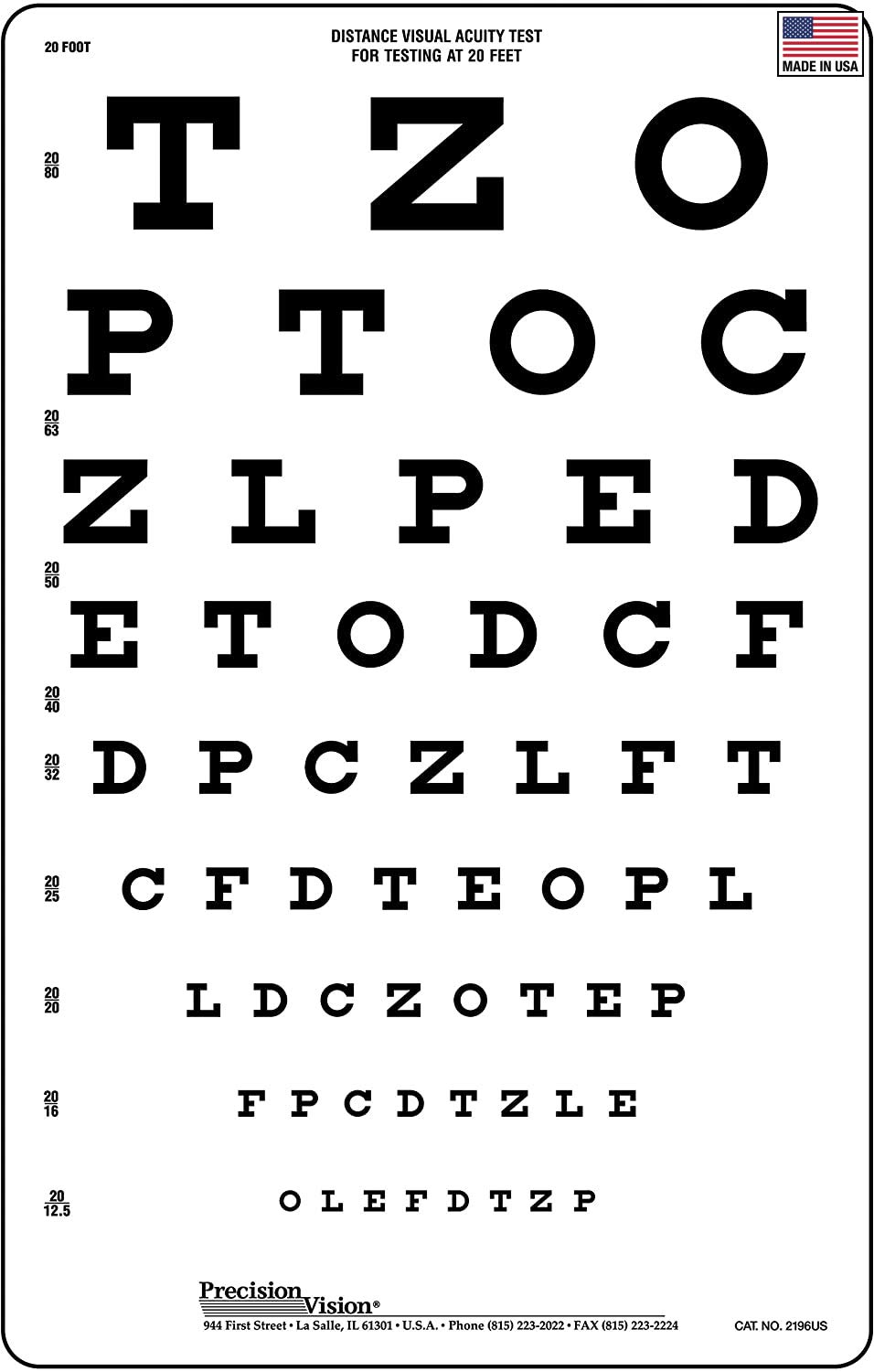
Transport Canada's Category 1 vision standard requires:
Corrective lenses such as glasses or contact lenses are permitted.
Colour vision is commonly assessed using the Ishihara Colour Vision Test.
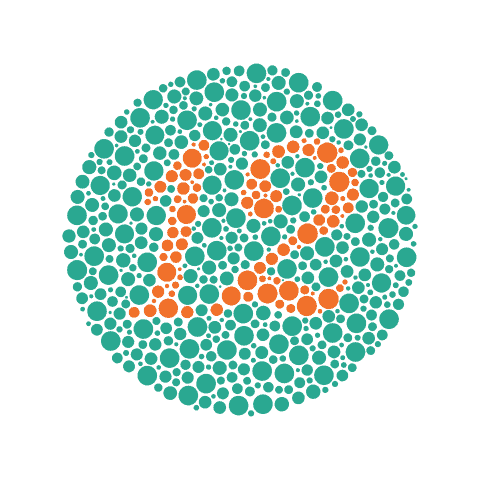
The test consists of a series of circular patterns made up of coloured dots. Individuals with normal colour vision can identify numbers or patterns hidden within the dots, while those with colour vision deficiencies may see different numbers or no number at all.
If an applicant does not pass the Ishihara test, Transport Canada may permit additional testing methods to determine whether the individual possesses sufficient colour perception for safe aviation duties.
The ECG records the electrical activity of the heart and helps identify potential cardiovascular concerns.
For many applicants, the ECG can be completed in the same medical office as the rest of the examination. The test is painless and usually takes only a few minutes.
There is no numerical pass or fail score. Instead, the results are reviewed to ensure there are no significant abnormalities or conditions that could increase the risk of sudden incapacitation during flight.
An audiogram is typically conducted at a specialized hearing clinic equipped with the appropriate testing equipment.
The applicant sits in a soundproof room and wears headphones. During the test, tones of varying frequencies and volumes are played through the headset. The applicant presses a button whenever a tone is heard.
The purpose of the audiogram is to verify that the applicant possesses sufficient hearing ability to communicate effectively in an aviation environment and meet Transport Canada's hearing standards.
Applicants are required to disclose relevant medical history during the examination.
This includes, but is not limited to:
Honest and complete disclosure is essential, as pilots are required under the Canadian Aviation Regulations to provide accurate medical information.
| Examination | Typical Standard |
|---|---|
| Urine Sample | No significant abnormality requiring investigation |
| Blood Pressure | Assessed by the CAME; no published pass/fail cutoff |
| Height | No minimum or maximum requirement |
| Weight | No minimum or maximum requirement |
| Distance Vision | 6/9 each eye, 6/6 binocularly (corrected if necessary) |
| Colour Vision | Sufficient colour perception demonstrated |
| ECG | No clinically significant cardiac abnormality |
| Audiogram | Hearing adequate for aviation duties |
| Medical History | No condition presenting an unacceptable aviation safety risk |
The requirements for a Category 1 Medical renewal vary depending on age and medical history. In most cases, the Civil Aviation Medical Examiner (CAME) will conduct:
Additional testing may be required based on the applicant's health status or at the discretion of the examiner.
For most healthy applicants, obtaining a Category 1 Medical is a straightforward process. The examination is designed not to exclude pilots unnecessarily, but rather to ensure that those operating commercial aircraft can do so safely and effectively.
If you have a pre-existing medical condition or concerns about your eligibility, speaking with a Civil Aviation Medical Examiner before beginning flight training can help clarify what additional testing or documentation may be required.